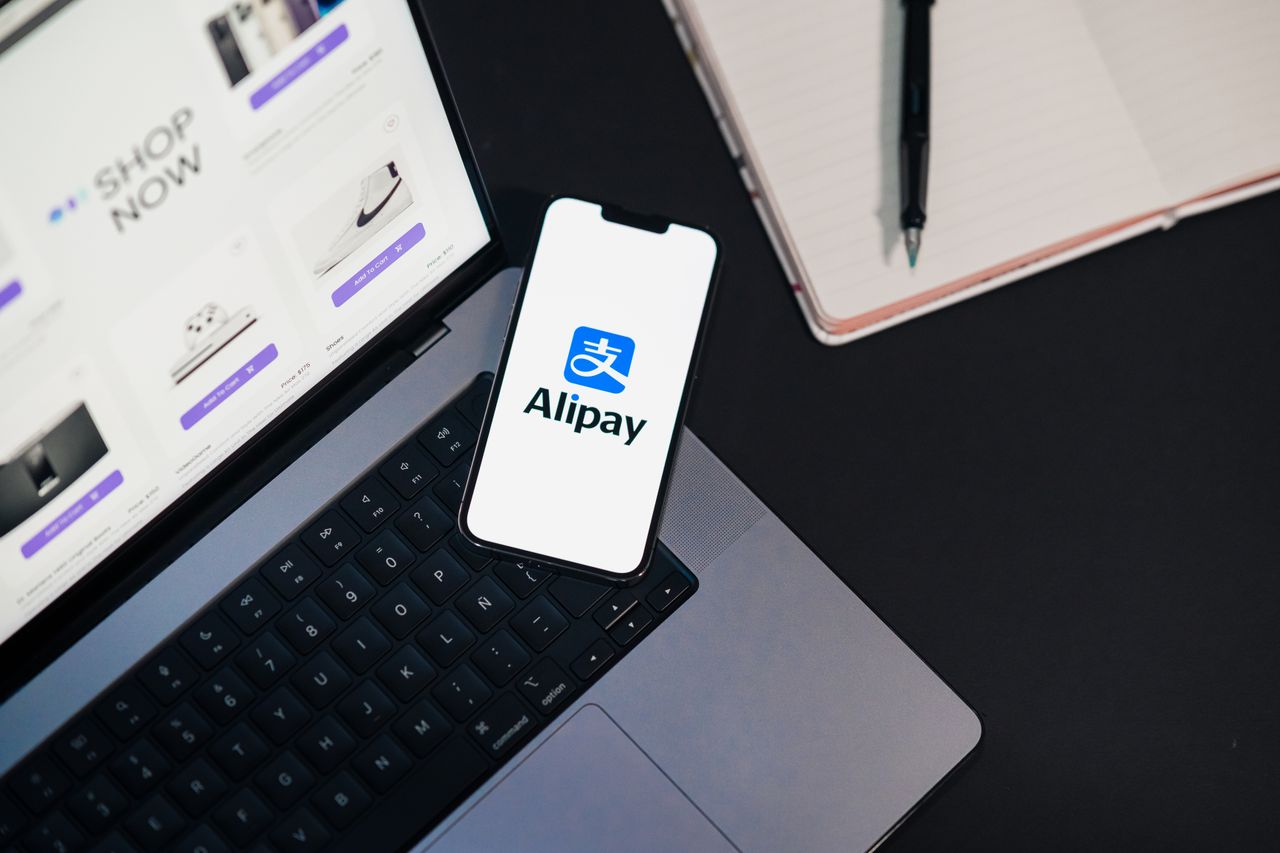
Digital payments allow individuals and businesses to transfer money electronically without relying on physical cash. They can include card payments, bank transfers, mobile payments, digital wallets, QR-code payments, and other electronic transaction methods. Behind a simple payment made through a website or mobile application, several technologies and financial institutions may work together to authorize, process, and settle the transaction.
Several important terms are used to describe the digital payment process. A payment gateway, for example, helps securely transmit payment information between a customer, merchant, and payment processor. A payment processor facilitates the processing of transactions, while card networks help route card transactions between participating financial institutions. Other concepts, such as authentication, authorization, transaction fees, settlement, and fraud monitoring, also play important roles in determining how a digital payment is completed.
The digital payments industry continues to evolve as businesses and consumers look for faster, more convenient, and increasingly secure ways to move money. New technologies are introducing additional payment methods while financial institutions and fintech companies continue developing innovative payment solutions. Understanding the terminology behind these systems can help people better understand what happens when they make a digital transaction, which is why FinLexHub focuses on explaining payment technology and related fintech concepts in an accessible way.